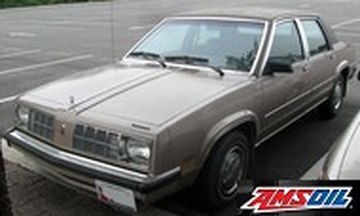
Maintaining Lubrication Integrity for the 1982 Oldsmobile OMEGA 2.8L
Proper engine care for a vehicle of this era involves a combination of consistent monitoring and proactive inspection. For owners of a 1982 Oldsmobile OMEGA with the 2.8L engine, maintaining the lubrication system is a fundamental aspect of long-term mechanical health. Because older engines rely on the integrity of various seals and the cleanliness of the lubricant to operate efficiently, understanding how to monitor these systems can prevent unexpected issues.Monitoring Fluid Condition and Potential Leaks
One of the most effective ways to oversee the health of your 2.8L engine is through regular visual inspections. Rather than waiting for a warning light or a significant mechanical change, an owner can look for subtle signs that the lubrication system requires attention. When inspecting the engine bay, look for any evidence of fluid seepage around various gaskets and seals. Even small amounts of oil residue on the exterior of the engine block or near sealing surfaces can indicate that a component is beginning to age. It is also useful to check the area beneath the vehicle after it has been parked for an extended period; any visible spots on the ground may warrant further investigation into potential leak sources. Beyond external leaks, the appearance of the oil itself provides valuable information. If you are performing a routine check using a dipstick, observe the color and consistency of the lubricant. While oil naturally darkens over time due to use, an extremely thick or gritty texture can be a sign that the fluid has exceeded its service life or has been subject to heavy contamination.Observing Signs That Warrant Investigation
While many mechanical issues present themselves clearly, some symptoms are more subtle and require careful observation. If you notice changes in how the engine operates, it is important to consider whether lubrication plays a role. For example, an unusual odor that may indicate oil contacting a hot surface should be investigated promptly. Similarly, if you observe any unexpected exhaust smoke, this can be associated with various internal conditions and should not be ignored. It is also vital to stay alert to any new or unusual mechanical noises coming from the engine compartment. While sounds can stem from many different sources, changes in the acoustic profile of the engine can sometimes be linked to lubrication effectiveness. If a warning indicator appears on the dashboard related to oil levels or pressure, this requires immediate attention. Because symptoms can have multiple underlying causes, these indicators should be treated as a prompt for a professional diagnosis rather than an automatic confirmation of a specific part failure.Prioritizing Maintenance Based on Current Condition
For a vehicle that has been in service for several decades, maintenance strategies often shift from strictly following a calendar to focusing on the actual condition of the components. Rather than assuming parts need replacement simply because of the vehicle's age, an effective approach is to use the current state of the engine to set priorities. If you are stepping into ownership of this Oldsmobile OMEGA without a complete service history, establishing a maintenance baseline is a logical first step. This involves performing a thorough inspection of all fluids and accessible components to determine their current state. Once a baseline is established, you can better track changes over time. When managing maintenance tasks, address active concerns first. If there is evidence of an active leak or if the oil consumption seems higher than expected, these should take precedence over general preventive measures. Keeping detailed records of every oil change, filter replacement, and observed leak will help you distinguish between routine aging and issues that require more significant mechanical intervention.Inspecting Aging Components and Systems
As vehicles age, certain materials and components naturally undergo changes. For the 1982 Oldsmobile OMEGA, periodic inspections of peripheral systems can prevent them from impacting engine performance. If equipped, inspect accessible drive belts for signs of deterioration such as cracking, glazing, or fraying. Similarly, if the vehicle is present with various rubber hoses, check them for softness, brittleness, or visible leaks. Maintaining the integrity of these components ensures that the engine operates within its intended parameters and that other systems, like the cooling system, remain functional. Electrical connections and wiring should also be checked for signs of corrosion or fraying, as stable electrical signals are necessary for proper engine management. Furthermore, ensuring that the air filtration system is clean and free of debris is a simple but effective way to prevent contaminants from entering the combustion process.Effective Long-Term Ownership Strategies
Successful long-term ownership of a classic daily driver relies heavily on documentation. Maintaining a consistent log of all service performed—including the dates, mileage, and specific products used—provides a clear picture of the vehicle's history. This is particularly useful if you ever need to consult a mechanic, as it allows them to see patterns in fluid consumption or repair needs. By reviewing previous repair records, you can identify which components have already been addressed and which may be approaching the end of their service life. This informed approach helps distinguish between necessary preventive maintenance and unnecessary parts replacement, allowing for more efficient and cost-effective vehicle upkeep.Practical Guidance for BUYING ENGINE OIL for your 1982 Oldsmobile OMEGA 2.8L
When it is time to replenish the lubrication in your engine, the most important step is to ensure the product matches the specific requirements of your application. Because different engines have unique needs regarding chemical composition and flow characteristics, you should never rely on general assumptions based on the vehicle's age or size. To select the correct lubricant, match the engine oil to the application-specific viscosity information already displayed on this webpage. Before making a purchase, always check the product labeling to verify that it meets the appropriate quality standards and certifications. Depending on your specific needs and the current condition of your engine, you may encounter various options:- Conventional Oils: Standard formulations for routine service.
- Synthetic Blends: A combination of conventional and synthetic oils.
- Full Synthetic Oils: Highly engineered lubricants designed for stability.
- High-Mileage Formulations: Some high-mileage oil formulations contain additives intended for use in aging engines, including seal-conditioning additives.